
Designed for operators
Every interface is built around throughput, queue clarity, and exception handling so frontline teams can move with confidence.
Kettle Logic blends modern application patterns with enterprise operating discipline: APIs, eventing, automation, AI agents, observability, and governance. The goal is not buzzwords — it is faster execution, lower rework, and cleaner decisions.
We build platforms that sit between messy source systems and high-stakes business workflows so operators can launch, govern, and scale confidently.
Every interface is built around throughput, queue clarity, and exception handling so frontline teams can move with confidence.
API-first foundations, event-driven integrations, and policy controls support multi-team, multi-channel, and multi-entity operating models.
Telemetry, SLOs, and operational KPIs keep quality and speed visible from individual workflows up to executive reporting.
An executive-ready diagram suite covering application architecture, Kubernetes runtime topology, cloud service mappings, network controls, delivery operations, and an agentic AI layer with MCP integration boundaries.
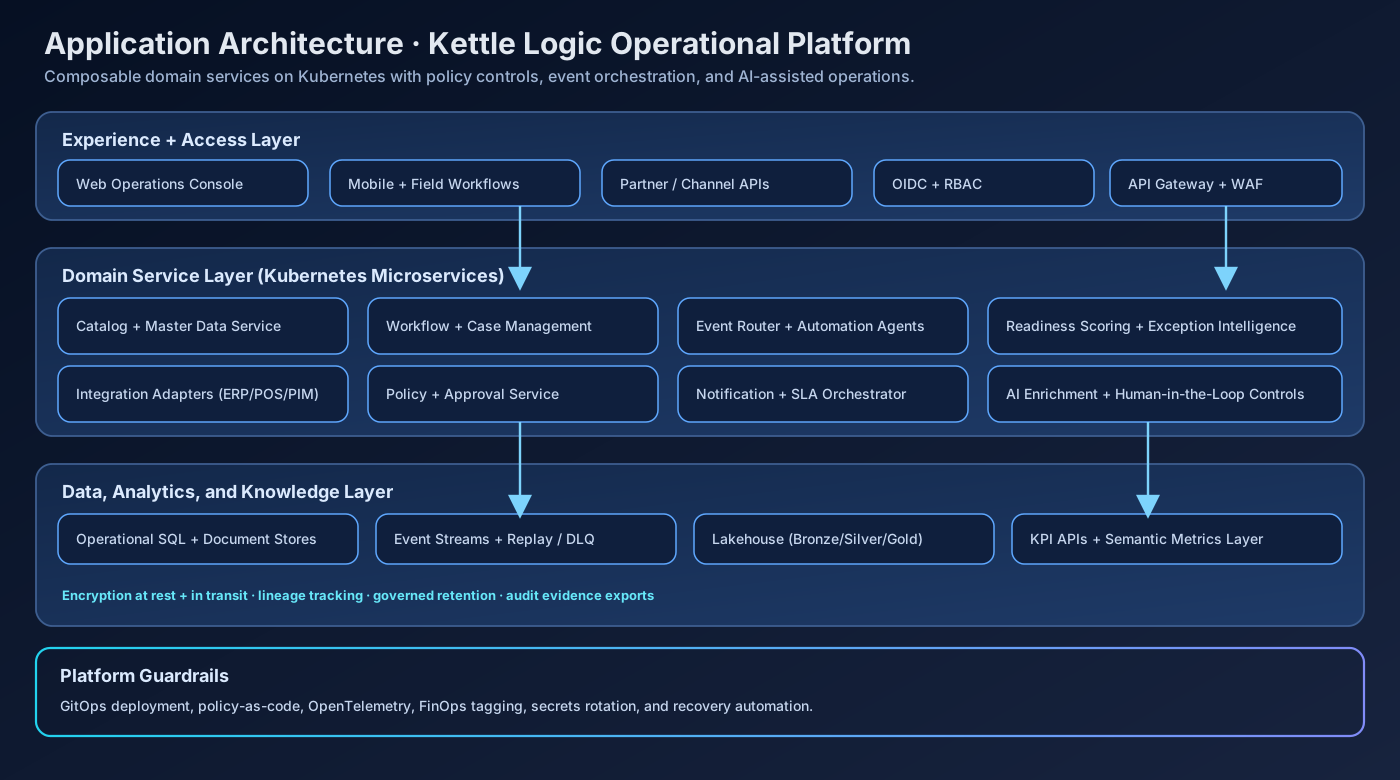
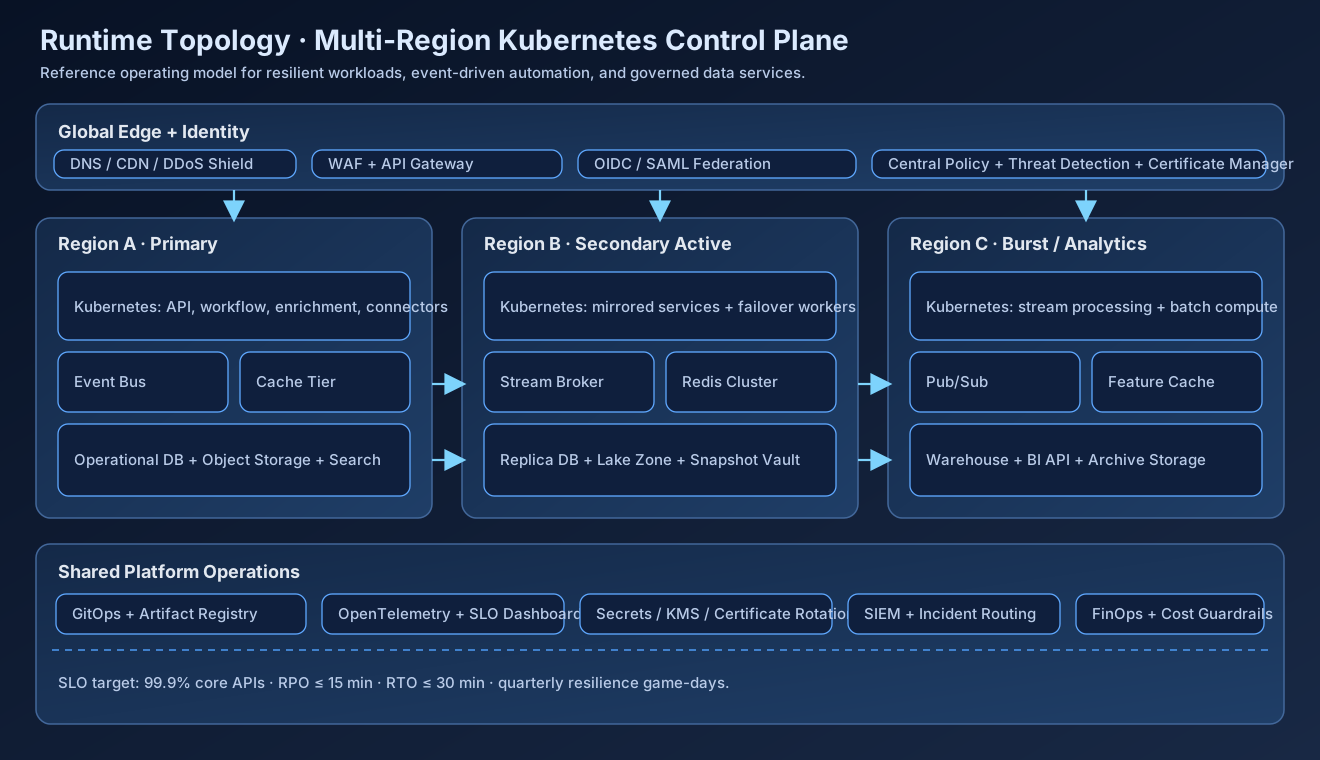
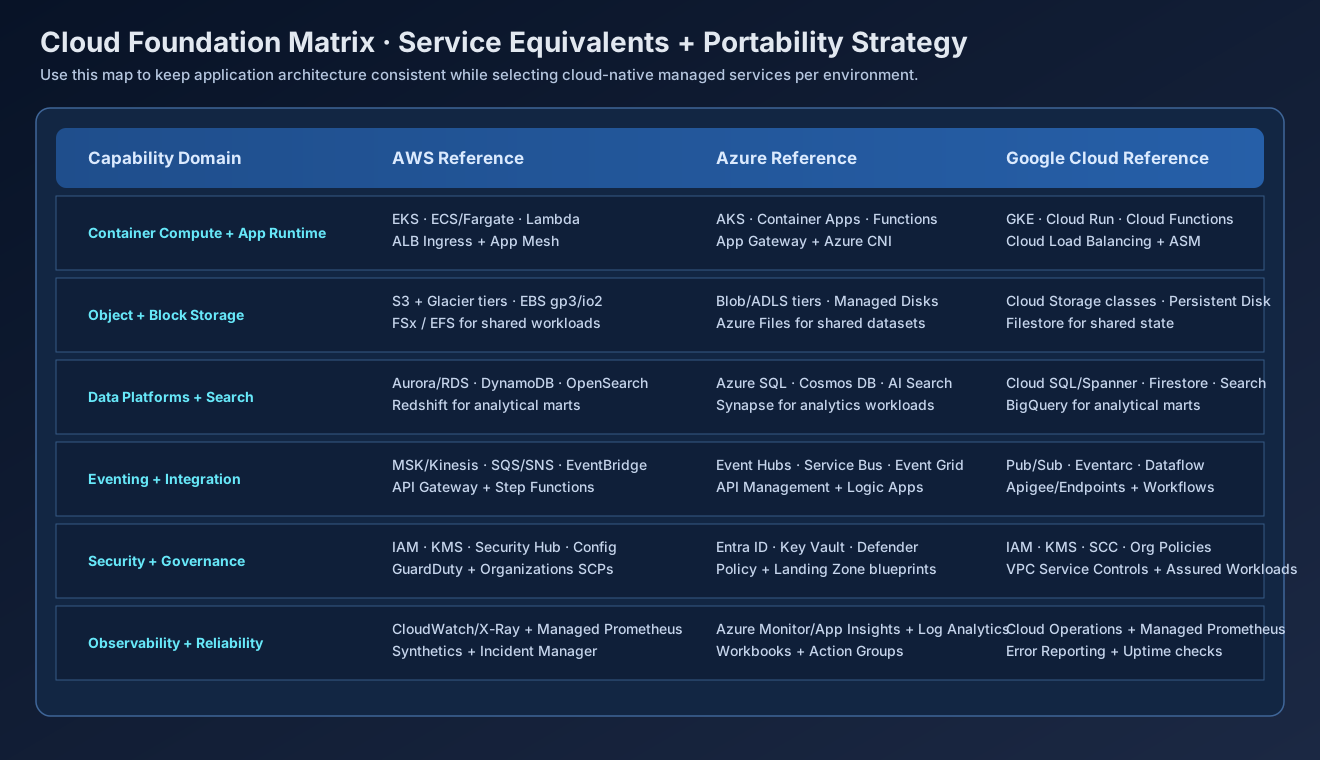
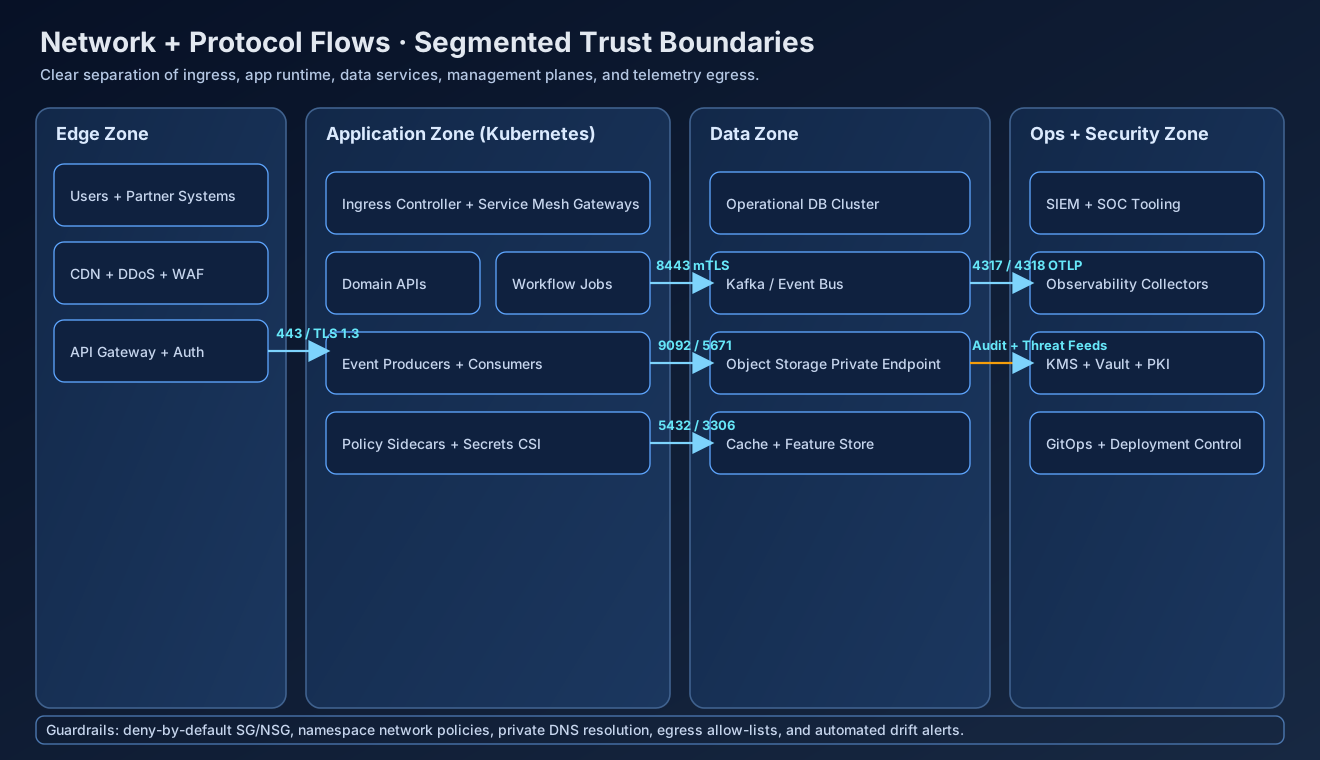
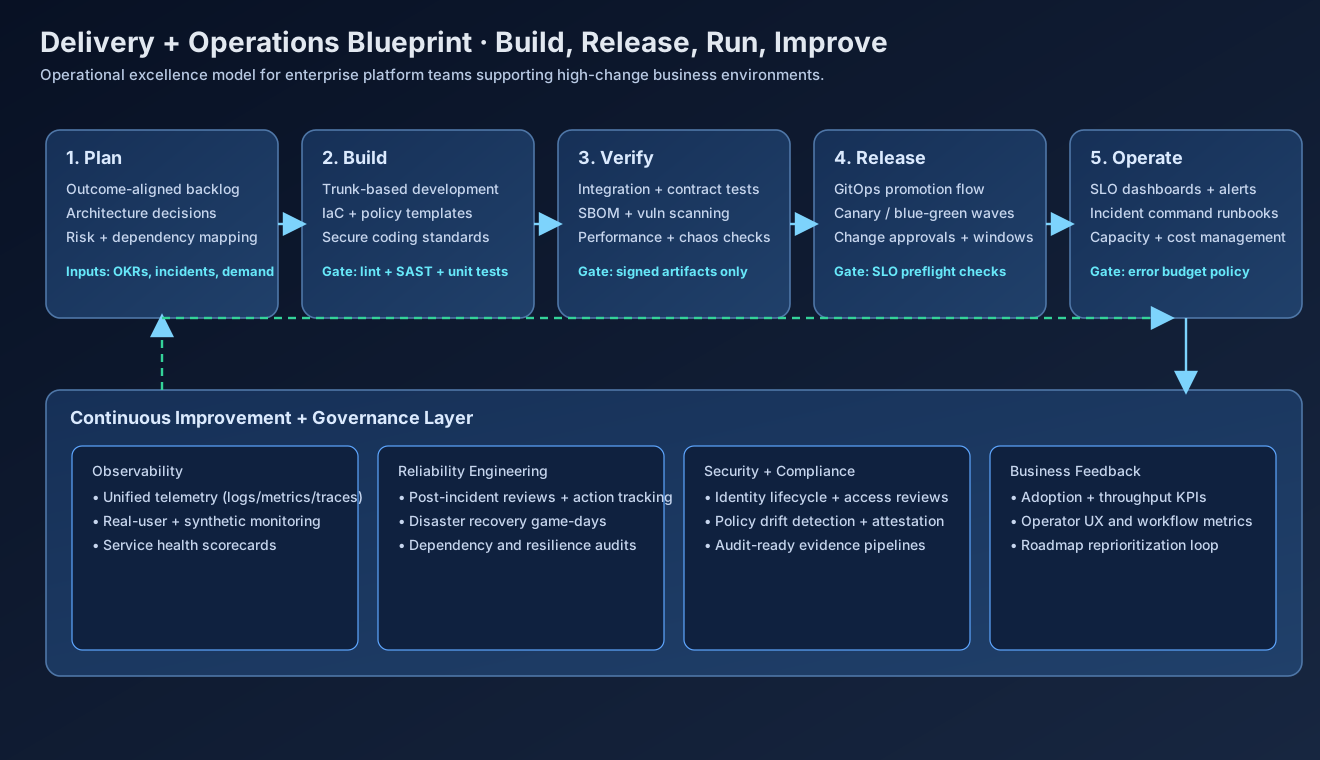
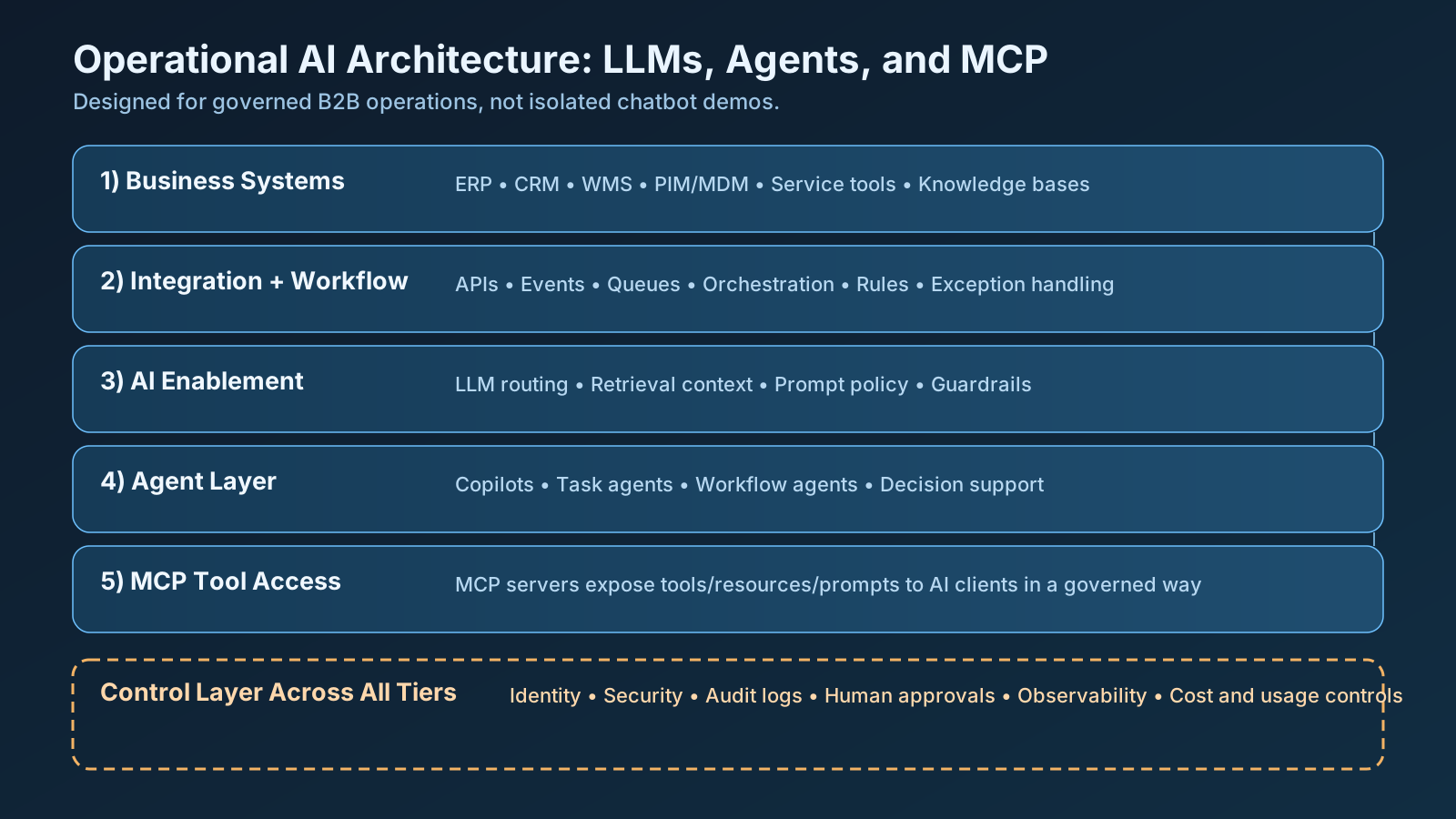
Operator-grade dashboards for merchants, category managers, plant teams, and service leaders with SLA status, queue aging, and drilldowns that make the next action obvious.
Rule-based and AI-assisted validation for product, supplier, menu, and operational data with readiness scores, remediation queues, and publish gates.
Agentic AI copilots for triage, enrichment, mapping, and workflow routing with human approval checkpoints, confidence scoring, and audit trails.
API-first integration, event orchestration, and partner feed processing across ERP, POS, PIM/MDM, WMS, and external channels, with optional provenance/event-ledger patterns.
SLO-driven telemetry, synthetic checks, and runbooks to keep operational APIs, workflows, and data products healthy during live business windows.
Role-based access, policy controls, approvals, retention, and change governance designed for enterprise and multi-entity operating environments.
Common deployments include shelf readiness and product launch control towers, supplier data normalization pipelines, menu/item governance, service availability dashboards, and internal command centers for cross-functional teams.
Technical fit includes cloud-native services, event streams, workflow engines, AI-assisted enrichment, and operational analytics — all implemented with pragmatic controls for security and auditability.